Why Your Office Chair Matters More Than You Think
Most professionals spend between six and nine hours each day seated at a desk. While computers, monitors, and productivity software often receive the most attention when designing a workspace, one of the most influential factors in employee wellbeing and performance is frequently overlooked—the office chair.
Poor seating does more than cause temporary discomfort. Over time, it can contribute to poor posture, muscle fatigue, neck and shoulder tension, lower back discomfort, reduced concentration, and decreased workplace efficiency. Even small ergonomic shortcomings, when repeated every day, can gradually affect both physical health and productivity.
An ergonomic office chair is designed to address these challenges by supporting the body's natural posture while adapting to the individual needs of each user. Rather than forcing the body into a fixed sitting position, ergonomic seating encourages movement, proper spinal alignment, and balanced pressure distribution throughout the workday.
As businesses increasingly prioritize employee wellbeing and modern workplace design, ergonomic furniture has evolved from a luxury into an essential investment. Whether furnishing a corporate headquarters, educational institution, healthcare facility, government office, or home workspace, selecting the right ergonomic chair contributes to healthier employees, improved focus, and a more professional working environment.
At Majesto, we believe office furniture should do more than complement a workspace—it should actively improve the way people work. Every ergonomic seating solution we design reflects a commitment to comfort, functionality, durability, and contemporary aesthetics, helping organizations create workspaces that support long-term performance.
What Is an Ergonomic Office Chair?
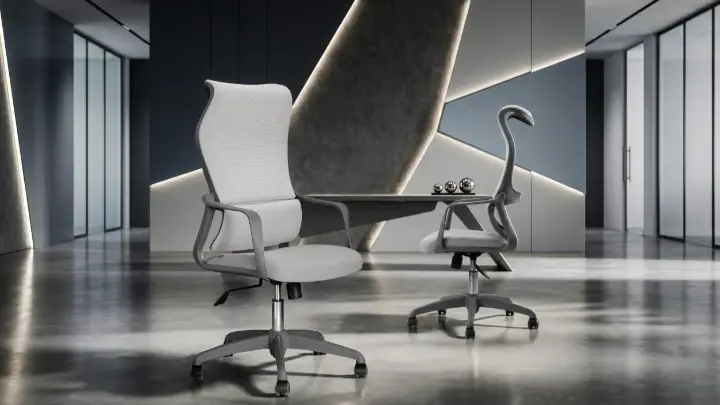
An ergonomic office chair is a task chair specifically engineered to support the body's natural posture while allowing users to customize the chair according to their height, body proportions, and working style.
Unlike conventional office chairs that provide limited adjustability, ergonomic chairs incorporate multiple customizable features that work together to reduce physical strain during prolonged sitting.
A high-quality ergonomic office chair typically includes:
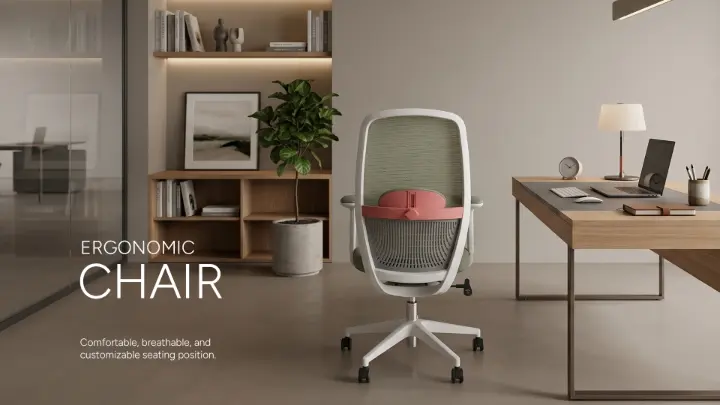
- Adjustable lumbar support that follows the natural curve of the lower spine
- Seat height adjustment for proper leg positioning
- Adjustable seat depth to reduce pressure behind the knees
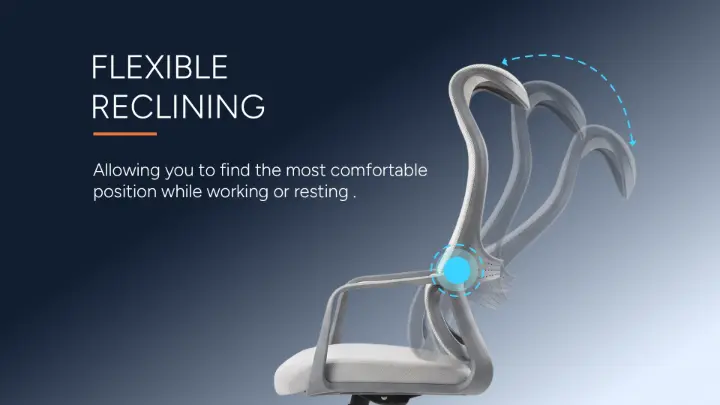
- Reclining backrest with synchronized movement
- Height and width adjustable armrests
- Adjustable headrest for neck support
- Breathable upholstery that improves airflow
- Smooth mobility with durable caster wheels
- Stable five-point base for improved safety and balance
These features allow users to create a personalized seating position that promotes comfort while reducing unnecessary stress on the musculoskeletal system.
The result is not simply a more comfortable chair, but a workstation designed around human movement rather than forcing the user to adapt to the furniture.
Why Ergonomics Matters in Today's Workplace
The modern workplace has changed dramatically over the past decade.
Hybrid work models, digital collaboration, and increased screen time mean employees now spend more hours sitting than ever before. This makes workstation ergonomics a strategic consideration rather than simply a furniture purchase.
An ergonomic workspace helps support:
- Better employee well-being
- Improved concentration
- Greater workplace comfort
- Reduced physical fatigue
- Increased productivity
- Enhanced employee satisfaction
- Professional office aesthetics
Organizations that invest in ergonomic office furniture also demonstrate a commitment to creating healthier work environments, which can positively influence employee engagement, retention, and workplace culture.
Rather than viewing ergonomic seating as an expense, forward-thinking businesses recognize it as a long-term investment in both people and performance.
The Science Behind Ergonomic Seating
The human body is not designed to remain perfectly still for extended periods.
When sitting in a poorly designed chair, the spine often loses its natural curvature, causing muscles to work harder to maintain balance. As these muscles become fatigued, people naturally begin to slouch, lean forward, or shift into unhealthy positions that place additional stress on the neck, shoulders, hips, and lower back.
An ergonomic office chair minimizes these problems by promoting what ergonomists refer to as a neutral sitting posture.
A neutral posture generally includes:
- Feet resting comfortably on the floor
- Knees positioned at approximately 90 degrees
- Hips slightly higher than the knees
- Natural lumbar curve maintained
- Relaxed shoulders
- Elbows close to the body
- Wrists remaining straight while typing
- Head balanced directly above the shoulders
Maintaining this alignment distributes body weight more evenly, reducing localized pressure while allowing muscles to remain relaxed.
Modern ergonomic chairs also encourage dynamic sitting, enabling small, natural movements throughout the day instead of forcing users into a rigid position. These micro-movements improve circulation, reduce muscle fatigue, and contribute to greater comfort during extended working hours.
Ergonomic Office Chair Benefits